
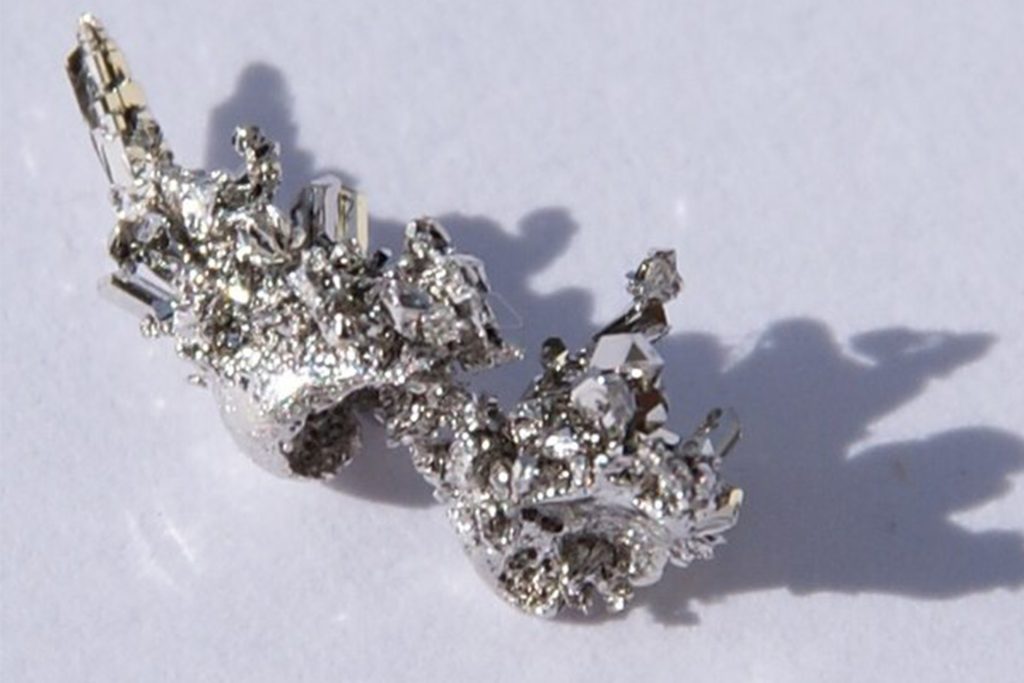
Palladium, (element atomic number 46) a lustrous silvery-white metal, is renowned for its exceptional properties, including high corrosion resistance, excellent catalytic activity, and the unique ability to absorb hydrogen. These characteristics make it indispensable across various industries. In this blog, we explore the primary applications of palladium and its critical role in modern technology and manufacturing.
1. Automotive Industry: Catalytic Converters
Palladium’s most significant application is in catalytic converters, where it serves as a catalyst to convert harmful pollutants in vehicle exhaust gases into less harmful substances. Approximately 85% of the total palladium is used in the automobile industry as part of catalytic converters of vehicles. Other metals used in catalytic converters are Rhodium and Platinum.
2. Electronics
In the electronics industry, palladium is valued for its excellent conductivity and resistance to corrosion. It is used in multi-layer ceramic capacitors (MLCCs), which are essential components in electronic devices like smartphones, laptops, and televisions. Palladium (and palladium-silver alloy) is used for electrodes in these capacitors.
3. Jewelry
Palladium’s bright, white finish and hypoallergenic properties make it a popular choice in the jewelry industry. It is often used in high-quality jewelry and is alloyed with other metals to create beautiful and durable pieces. Palladium is also used in making fine jewelry, often as a coating over sterling silver.
4. Dental and Medical Applications
Due to its biocompatibility and corrosion resistance, palladium is used in various healthcare applications. It is used in small amounts (about 0.5%) in some alloys of dental amalgam to decrease corrosion and increase the metallic lustre of the final restoration.
5. Chemical Industry: Catalysts
Palladium serves as a crucial catalyst in various chemical processes, including hydrogenation, dehydrogenation, and carbon–carbon bonding reactions in organic chemistry. A large number of carbon–carbon bonding reactions in organic chemistry are facilitated by palladium compound catalysts, such as the Heck reaction, Suzuki coupling, and Wacker process.
6. Hydrogen Storage and Purification
Palladium has the unique ability to absorb hydrogen at room temperatures, forming palladium hydride. This property has been investigated in designing an efficient and safe hydrogen fuel storage medium. Palladium is also used for purification of hydrogen on a laboratory scale.
7. Investment and Bullion
Given its rarity and high value, palladium is considered a valuable investment asset. It is traded as bullion in the form of bars and coins, often appealing to investors seeking to diversify their portfolios. Palladium is one of only four metals to have ISO currency codes, the others being gold, silver, and platinum.
8. Aerospace and Defense
In high-tech industries like aerospace and defense, palladium is used in specialized alloys and components due to its strength and heat resistance. It is found in aircraft spark plugs and other critical components where durability and reliability are essential.
The Future of Palladium
As industries continue to innovate and global emission standards become stricter, the demand for palladium is expected to grow. Its unparalleled ability to reduce harmful emissions makes it indispensable in the automotive industry, while its unique properties ensure its importance in sectors like electronics, jewelry, and chemical production. However, palladium’s rarity and dependence on limited mining regions present challenges, making recycling materials like catalytic converters more critical than ever in maintaining supply.
Recycling Palladium: Unlock Its Value with RAS Cats
Did you know that your catalytic converters may contain valuable palladium? At RAS Cats, we specialize in maximizing the value of precious metals like palladium, rhodium, and platinum from your scrap converters. Contact us today to learn how we can help you unlock the full potential of your materials.
Palladium’s unique properties and diverse applications underscore its significance in modern technology and industry. Understanding its uses helps appreciate the value of materials containing this precious metal.


