
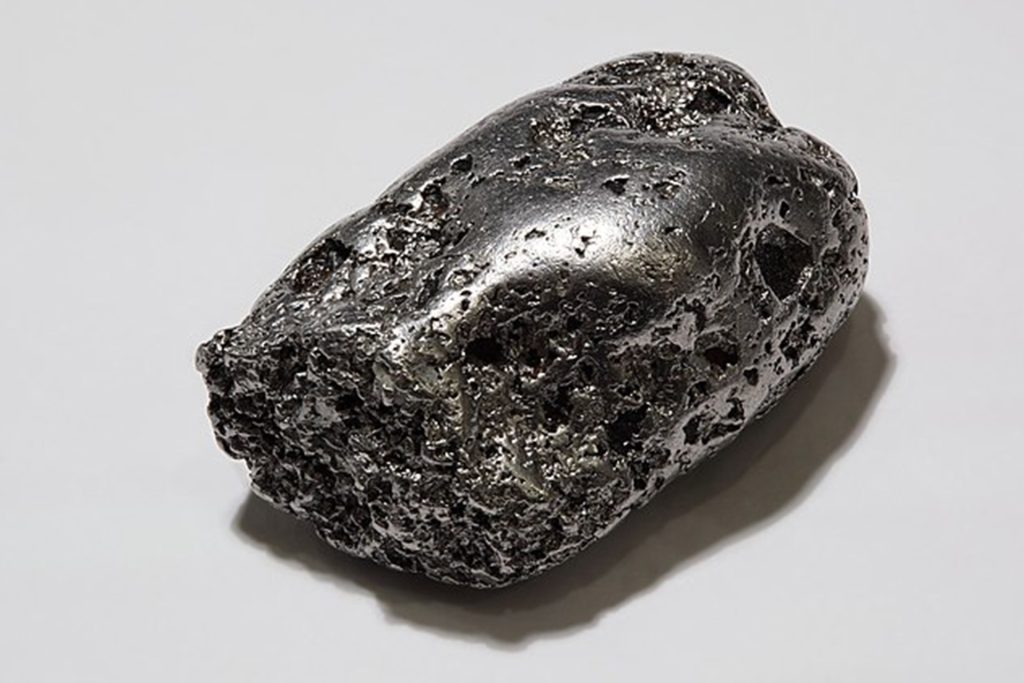
Platinum (element atomic number 78), a rare and precious metal, is renowned for its exceptional properties, including high resistance to corrosion, excellent catalytic capabilities, and remarkable durability. These characteristics make it indispensable across various industries. In this blog, we explore the primary applications of platinum and its critical role in modern technology and manufacturing.
1. Automotive Industry: Catalytic Converters
Platinum plays a vital role in catalytic converters, which are essential components in vehicles designed to reduce harmful emissions. As a catalyst, platinum facilitates the conversion of toxic gases like carbon monoxide and hydrocarbons into less harmful substances such as carbon dioxide and water vapor. This process is crucial for meeting stringent environmental regulations and reducing air pollution. Other metals used in catalytic converters are palladium and rhodium.
2. Jewelry
In the jewelry industry, platinum is prized for its lustrous appearance, hypoallergenic properties, and resistance to tarnish. It is commonly used in high-end jewelry, including engagement rings and wedding bands, offering a durable and elegant option for consumers. Platinum’s rarity and enduring beauty make it a symbol of prestige and luxury.
3. Chemical Industry: Catalysts
Platinum serves as a crucial catalyst in various chemical processes, including the production of nitric acid, silicone, and benzene. Its catalytic properties facilitate efficient chemical reactions, making it essential in industrial chemistry. Additionally, platinum catalysts are used in fuel cells to improve efficiency, contributing to advancements in clean energy technologies.
4. Electronics
The electronics industry utilizes platinum for its excellent conductivity and resistance to corrosion. It is used in computer hard disks, thermocouples, and electrical contacts, where reliability and durability are paramount. Platinum’s stability at high temperatures makes it suitable for critical electronic components, ensuring consistent performance in various devices.
5. Medical Applications
Due to its biocompatibility and resistance to corrosion, platinum is used in various medical applications. It is employed in pacemakers, dental fillings, and surgical instruments, where its non-reactive nature ensures safety and longevity. Platinum-based drugs, such as cisplatin, are also used in chemotherapy treatments for certain types of cancer, highlighting its significance in healthcare.
6. Glass Manufacturing
In the glass industry, platinum is used in the production of high-quality glass and glass fibers. Platinum equipment, such as crucibles and molds, withstands high temperatures and corrosive environments, ensuring the purity and quality of the glass products. This application is vital in manufacturing optical fibers and LCD screens.
7. Investment and Bullion
Given its rarity and high value, platinum is considered a valuable investment asset. It is traded as bullion in the form of bars and coins, appealing to investors seeking to diversify their portfolios. Platinum’s market value is influenced by its industrial demand and limited supply, making it a strategic investment choice.
8. Aerospace and Defense
In high-tech industries like aerospace and defense, platinum is used in specialized alloys and components due to its strength and heat resistance. It is found in jet engine components and other critical parts where durability and reliability are essential. Platinum’s ability to withstand extreme conditions makes it suitable for demanding applications in these sectors.
The Future of Platinum
As industries continue to innovate and global emission standards become stricter, the demand for platinum is expected to grow. Its unparalleled ability to reduce harmful emissions makes it indispensable in the automotive industry, while its unique properties ensure its importance in sectors like electronics, jewelry, and chemical production. However, platinum’s rarity and dependence on limited mining regions present challenges, making recycling materials like catalytic converters more critical than ever in maintaining supply.
Recycling Platinum: Unlock Its Value with RAS Cats
Did you know that your scrap catalytic converters contain valuable platinum? At RAS Cats, we specialize in maximizing the value of precious metals like platinum, palladium, and rhodium from your scrap converters. Contact us today to learn how we can help you unlock the full potential of your materials.
Platinum’s unique properties and diverse applications underscore its significance in modern technology and industry. Understanding its uses helps appreciate the value of materials containing this precious metal.


